THE ULTIMATE GUIDE TO WASP TRAP SUCCESS
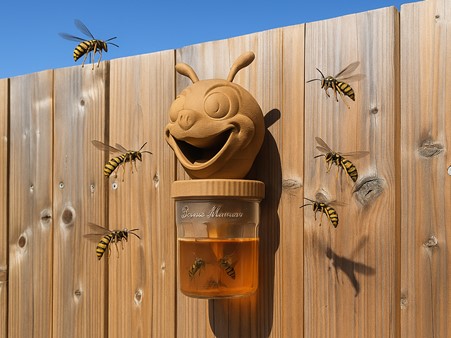
Warm weather means one thing: time for outdoor activities like barbecues, picnics, and gardening. But, let’s face it: there are those pesky visitors that often spoil the fun: wasps! Those buzzing creatures can be aggressive, and their stings can cause serious allergic reactions or become dangerous when multiple wasps are involved. If you’re tired of chasing them away or living in constant fear of a sting, it’s time to consider using a wasp trap!
What is a Wasp Trap Useful For?

A wasp trap can help reduce minor wasp activity around outdoor spaces like patios, decks, and dining areas. While wasps, especially yellow jackets and paper wasps, are naturally drawn to our sugary foods and proteins, a wasp trap offers a non-toxic way to capture some of these individual foragers. It’s important to understand that they work best for occasional wasp problems rather than major infestations, serving as a supplementary tool to make your outdoor time more comfortable.
Types of Wasp Traps

Commercial trap

Homemade trap
They typically come in two primary forms:
Commercial traps – These traps are usually made of plastic or glass, and are designed with funnels or openings that allow wasps to enter, but make it difficult for them to exit. They come with specific baits or are designed to be used with your own homemade baits.
Homemade trap
Homemade traps – The economical and environmentally friendly option. You can build your own traps from empty plastic bottles, glass jars or other containers. The idea is the same: create a one-way entrance for wasps.
Setting Up Your Wasp Trap
Place your wasp trap about 4.5–6 meters (15–20 feet) from areas where people sit or gather, ideally near garden edges or garbage locations. Avoid placing traps directly above spaces where people meet or too close to wasp nests. For safety, set up traps in the early morning when wasps are less active, wear protective clothing, and keep them away from children’s play areas.
The Limitations of a Wasp Trap

Trapping devices can be a useful tool for controlling wasp activity in a specific area. However, they also have some limitations that are important to consider:
-
- They do not eliminate the source of the problem, that is, the wasp nest. Therefore, wasps may continue to return to the area.
- They may not be effective for large wasp infestations, as they cannot capture all the wasps.
- They require regular maintenance to ensure they remain effective.
Final Thoughts on Using Wasp Traps Effectively
Wasp traps can be a practical, non‑toxic way to reduce minor wasp activity and make your outdoor spaces more enjoyable. They are most effective as a supportive measure for patios, gardens, and recreational areas, helping to deter individual foragers from interrupting your time outside. However, it’s important to recognize their limitations—traps do not eliminate nests or resolve large infestations on their own. For persistent or aggressive wasp problems, combining traps with professional inspection or nest removal ensures safer, long‑term control.
Learn more about safe and effective wasp control here: Wasp Control Solutions